WWF-INDONESIA ENCOURAGES HEALTHY AND SUSTAINABLE DIETS THROUGH DIALOG WITH CSO
"You are what you eat." A phrase we often hear to describe how the food we consume determines our body condition and health. It is often associated with the impact of food on the human body. However, did you know that what we eat also has a huge impact on nature and the environment?
According to WWF's Living Planet Report titled "A System in Peril", the current global food system and production is one of the main drivers of the climate crisis. Food systems contribute to biodiversity loss, environmental degradation, and declining water resources. Another WWF report, "Bending the Curve: The Restorative Power of Planet-Based Diets", asserts that people's consumption patterns are one of the biggest factors shaping environmental impacts, from greenhouse gas emissions, land and water use, to increasing the risk of species extinction.
In response to these challenges, WWF-Indonesia encourages the mainstreaming of the concept of healthy and sustainable diets, known as sustainable diets. Sustainable diets, as defined by FAO (2019), are food consumption patterns that are able to achieve optimal health and nutrition outcomes, while maintaining biodiversity, reducing environmental impacts, and being economically and culturally acceptable.
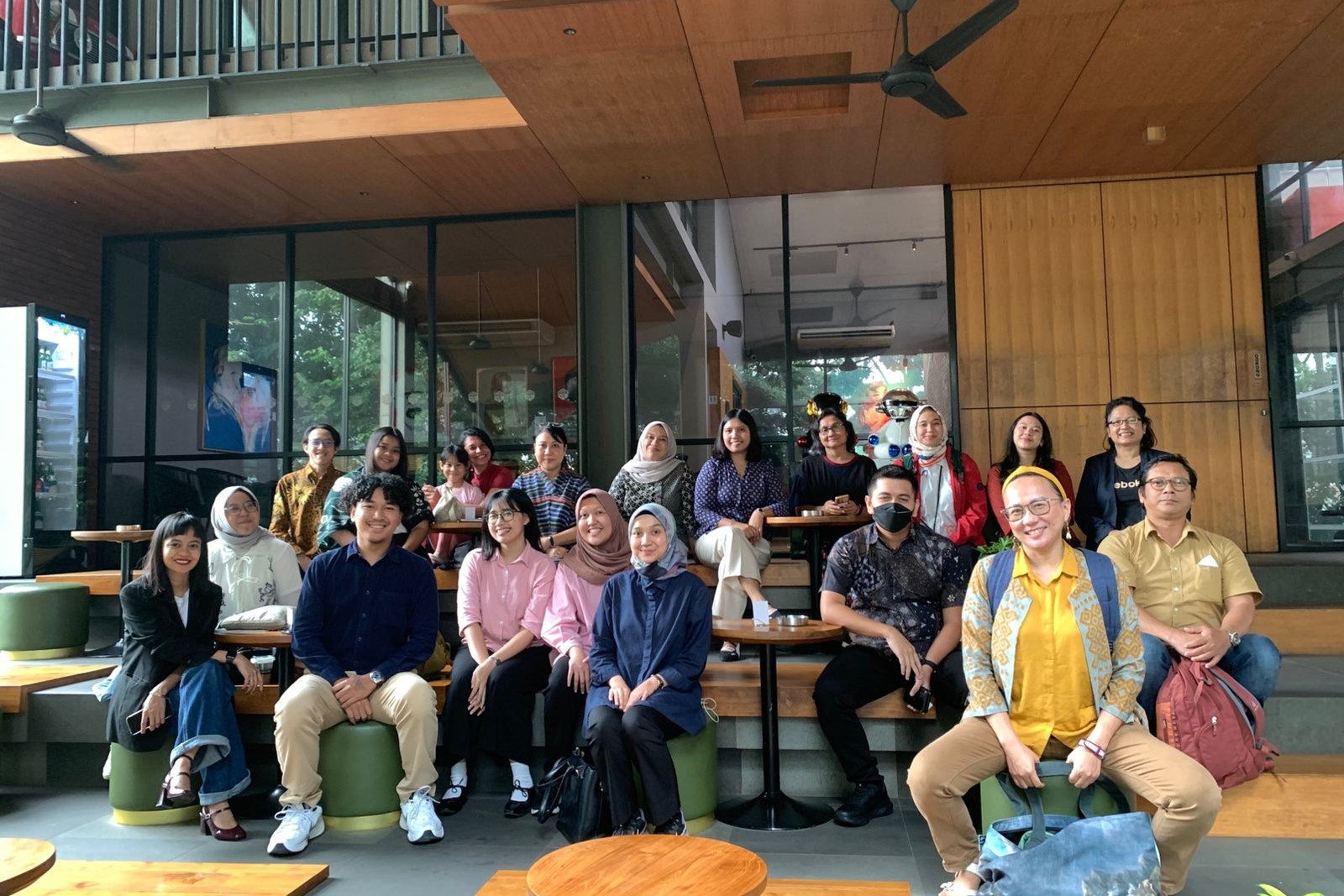
As part of the follow-up efforts, WWF-Indonesia organized a discussion on December 10, 2025 at Tulum Cafe, Jakarta with Civil Society Organizations (CSOs) that have a strategic role in supporting the implementation of healthy and sustainable diets in Indonesia. The discussion was attended by Civil Society Organizations (CSOs), namely Aliansi Organis Indonesia, ASPPUK (Association of Small Business Women Facilitators), CIFOR-ICRAF, Center for Indonesian Policy Studies (CIPS), Foodagogik, Global Alliance for Improved Nutrition (GAIN), Indonesia Business Council for Sustainable Development (IBCSD), Indonesian Gastronomy Community, KSPL-WRI Indonesia, Nusa Gastronomy, OMPL, and Yayasan Humanis.
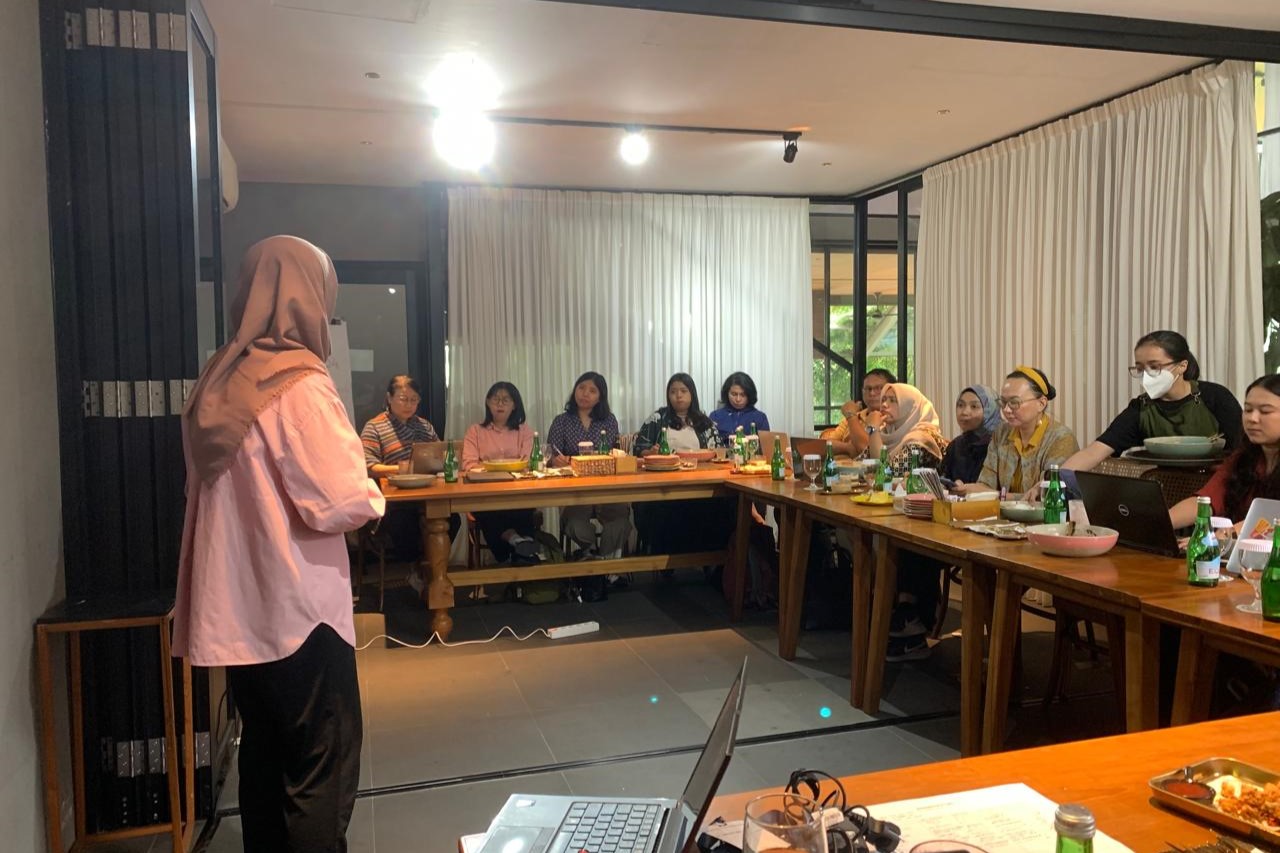
The discussion began with a presentation from Rizka Nurul Annisa, Business Engagement Officer of WWF-Indonesia, who introduced the concept of Planet-Based Diets initiated by WWF. This concept emphasizes diets that pay attention to the balance between human health and environmental sustainability. He also discussed how the role of modern retail is seen as one of the key actors because of its role in influencing product availability and consumer demand patterns.
The next presentation was delivered by Ibnu Budiman, Environment Manager GAIN Indonesia, who discussed the link between environmental and nutrition issues in Indonesia. He also shared his implementation experience in encouraging the consumption of tempe koro as an alternative protein source that is more environmentally friendly.
An additional perspective was provided by Hosiana Simamora, Knowledge Officer from Koalisi Sistem Pangan Lestari (KSPL), who reviewed the challenges of food system transformation in Indonesia. In her presentation, she highlighted various problems that are still faced, such as high logistics costs, long and difficult-to-trace supply chains, and low public access to healthy and nutritious food.
After the series of presentations, the discussion continued with the discussion of three main points, namely the mainstreaming of healthy and sustainable diets, the importance of the role of regulations and policies in encouraging the implementation of the concept, and efforts that can be made to reduce the impact of the environmental crisis through dietary changes.
The discussion harmonized that dietary changes need to be adapted to the local context, including Indonesia's consumption culture, commodity availability, and food diversity. Local foods, especially plant-based protein sources, play an important role in maintaining biodiversity while reducing emissions from the food distribution chain. Given that people's diets are strongly influenced by food availability, accessibility and promotion, the role of multi-stakeholder collaboration between civil society organizations, the government and the private sector such as modern retailers is important in encouraging the adoption of healthy and sustainable diets that are relevant to the national context.
Healthy and sustainable diets are complex issues that require changes in the relationship between actors in the food system. Although consumer awareness is increasing, the main challenge still lies in the implementation of policies that tend to be top-down and the lack of intuitive linkages between food and environmental issues. Therefore, mainstreaming strategies need to be tailored to the character of the audience, for example by raising environmental issues for urban youth or positioning local food as an attractive and relevant option. The "Fill My Plate" concept, which has also been promoted by the Ministry of Health, can also be an entry point for integrating environmental aspects into national dietary guidelines.
This discussion is an important first step for WWF-Indonesia to continue strengthening multi-stakeholder collaboration in encouraging the adoption of healthy and sustainable diets, both through increasing access to knowledge and real implementation that is aligned with the local context and needs of the Indonesian people.