DKLH PAPUA PROVINCE BUILDS ENVIRONMENTAL AWARENESS THROUGH WASTE GREBEK ACTION ON WORLD ENVIRONMENT DAY
Jayapura, June 6, 2026. - An important key in maintaining the quality of our environment amidst the many challenges faced today is collaboration, participation and public awareness. The active involvement of various parties is certainly needed to be able to jointly overcome the problems of plastic waste, food waste, environmental pollution, to the bigger issue, namely climate change.
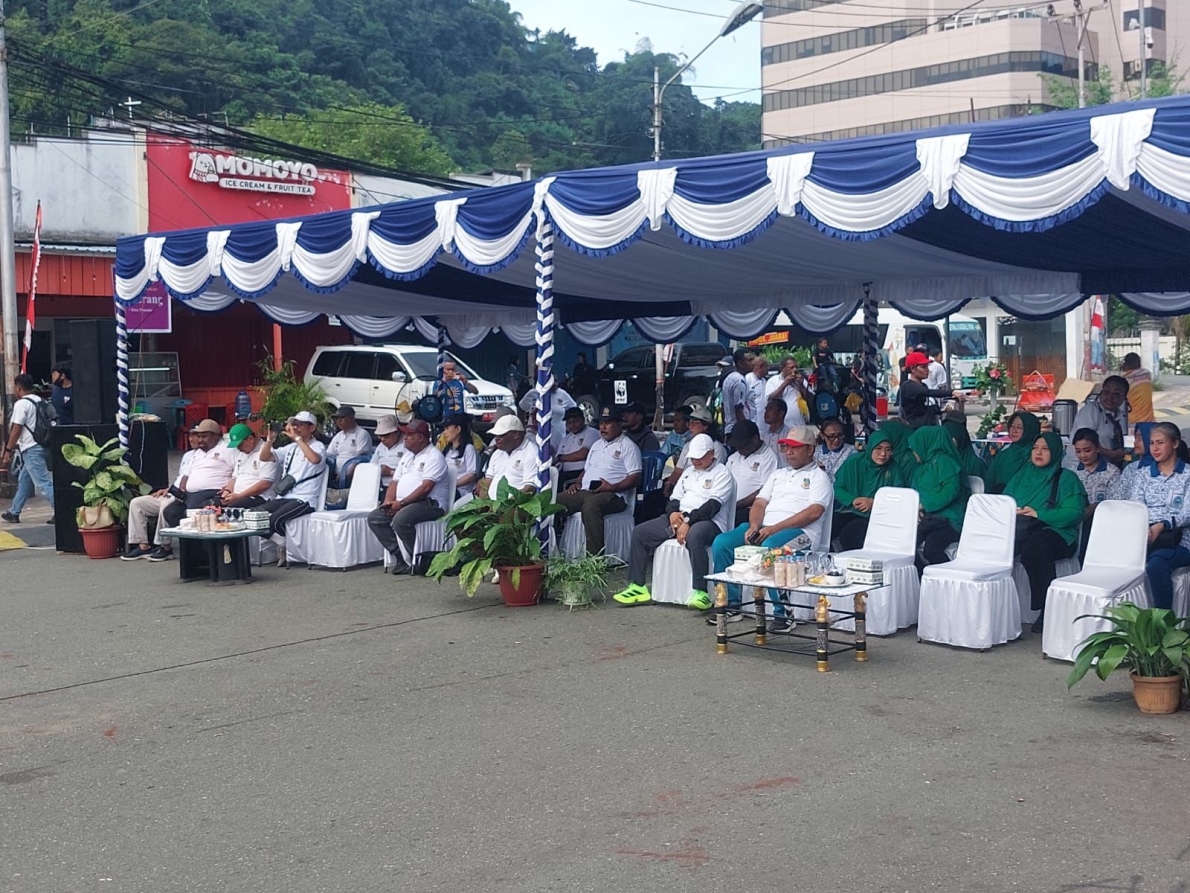
In order to increase the capacity, understanding and awareness of the community on these issues, the Forestry and Environment Service (DKLH) of Papua Province organized environmental education and counseling activities on June 6, 2026 at Imbi Park, Jayapura City with the theme "It's Time to Work for the Climate". This activity includes a climate village exhibition, as well as joint environmental cleanup activities. In addition, this activity is also supported by several other relevant stakeholders, one of which is WWF Indonesia Papua Program as part of a joint effort to encourage community involvement.
In the World Environment Day activities, Papua Province participated in a national teleconference held online. The teleconference was not only attended by the local government of Papua Province, but also other regions. It was stated in the joint teleconference that climate change, biodiversity degradation, and air and environmental pollution are the three global environmental crises currently facing the world. As part of the international commitment through the Paris Agreement, Indonesia also strives to reduce greenhouse gas emissions and strengthen climate change mitigation actions. This effort is becoming increasingly important considering that Indonesia is one of the countries that is vulnerable to the impacts of climate change, such as sea level rise, floods, droughts, and threats to food security. On the other hand, the issue of waste, such as plastic waste and food waste, is also a big challenge because its management has not been optimized. Organic waste that accumulates in landfills produces methane gas, which has a global warming potential about 30 times stronger than carbon dioxide. Therefore, the movement to reduce and segregate waste needs to be a joint action that starts from the household level, to a wider level.
In addition to being a space for collaboration between the government, communities, community institutions, and other stakeholders, this activity is also a space for learning to jointly protect the environment and inhibit the rate of climate change with simple things or things that we can do, for example not littering to prevent flood hazards, minimizing the use of single-use plastics, sorting waste according to its type wisely, saving energy, and not throwing food on our plates so that it does not become waste that contributes harmful gases to the environment, namely methane gas. These things can be started from daily habits in our environment to inhibit the rate of climate change.
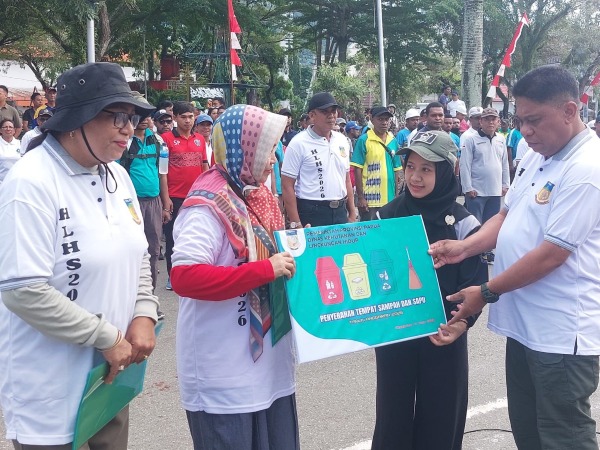
On his occasion, the Head of DKLH. Plt. Head of DKLH Papua Province, Yakonias Maitindom, M.Si also said that a clean environment is a human right. "Today's action is to commemorate the moment of Environment Day, we chose the Anafre river. For us, Anafre is located in the heart of Jayapura City, so Anafre River is our face. We must clean it so that it is clean and healthy. A clean and healthy environment is a human right, so if it is not clean, we are actually violating human rights," said Yakonias.
Meanwhile, on the other hand, WWF-Indonesia Papua Program itself emphasized its commitment to support efforts to inhibit the rate of climate change and build Indonesia Asri's commitment. One of them is the reduction of greenhouse gas emissions through responsible and sustainable waste management, such as food waste. WWF-Indonesia Papua Program believes that big changes begin with simple steps taken consistently by every individual, community, business, and government. This World Environment Day is expected to be an important momentum to strengthen awareness, collaboration, and community movements in realizing real actions to care for the environment, starting from reducing waste, sorting and recycling, to managing food wisely.
It is hoped that the organization of this activity can strengthen communication networks and cross-sector cooperation in supporting efforts to protect and manage a sustainable environment, for the welfare of the Papuan people today and future generations. (tan)