ICE-ICE DISEASE OUTBREAK THREATENS SEAWEED CULTIVATION ON LUANG ISLAND; WWF INDONESIA TESTS CONTROL METHODS FROM WAKATOBI
For years, seaweed farming has been one of the economic drivers for the communities in Luang Barat and Luang Timur villages on Luang Island, Southwest Maluku Regency. Since this cultivation method was widely introduced in 2009, many fishermen have chosen to cultivate seaweed because it provides a relatively stable income. The community’s daily routines have followed the cultivation cycle, from preparing the seedlings, tying them to ropes, tending the plants at sea, harvesting, to drying the harvest.
However, as 2024 began, farmers started facing a new problem. Seaweed that had previously been growing normally began showing symptoms of the ice-ice disease. This disease is characterized by the part of the seaweed known as the thallus turning white and becoming brittle. As a result, plant growth is stunted, leading to reduced harvest yields. The impact is immediately felt by farmers, as seedlings that have been nurtured for weeks can be damaged before reaching harvest time. The time, labor, and costs invested during the cultivation process are also affected by these conditions, putting farmers at risk of losses starting from the maintenance phase.
The “ice-ice” disease has actually long been known in seaweed cultivation across various regions of Indonesia. The presence of this disease is often linked to changes in environmental conditions—such as temperature, salinity, and water quality—which cause the seaweed to experience stress, making it more susceptible to bacterial infection. The relationship between environmental factors and the disease means that management efforts must take into account the conditions of the ecosystem where the seaweed is cultivated.
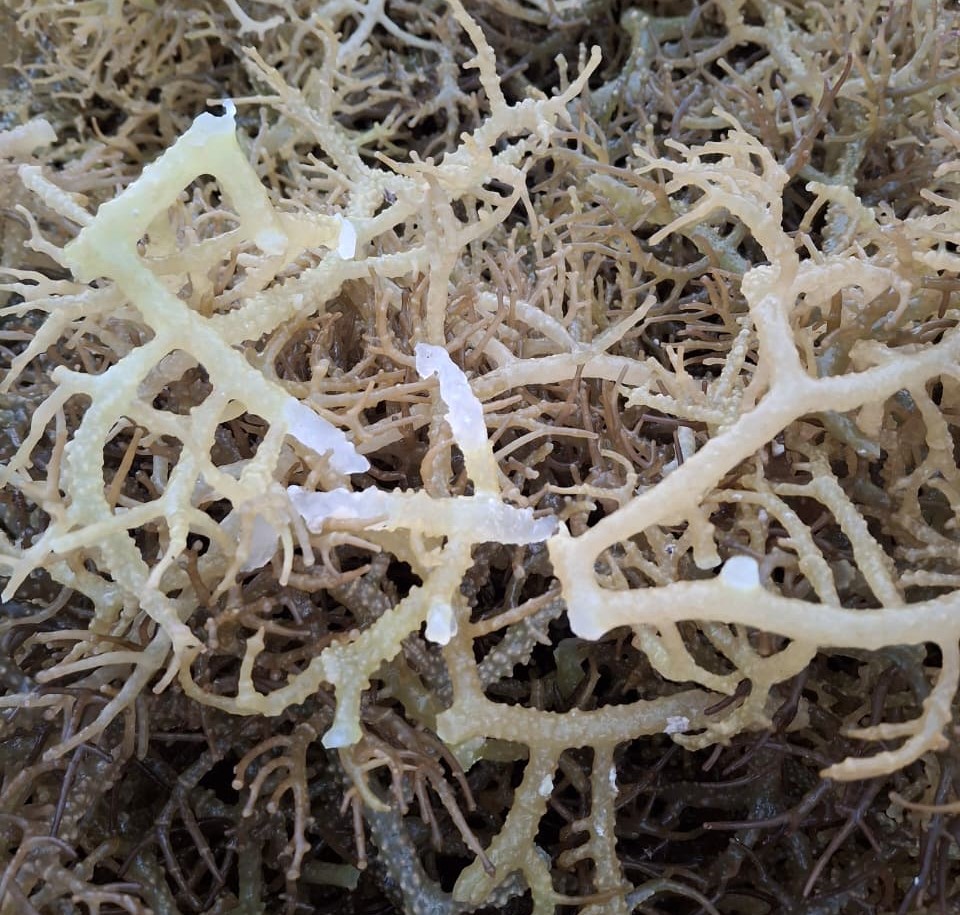
Photo: ©WWF-Indonesia/ Annisa S. Aulia
This situation prompted WWF-Indonesia, together with the Island Group Marine and Fisheries Agencies (CDKP GP) XI and XII, Fisheries Extension Officers from the Ministry of Marine Affairs and Fisheries in the Southwest Maluku region, and the Southwest Maluku Regency Fisheries Agency to introduce a natural-based ice-ice treatment method to aquaculture farmers on Luang Island—a method that does not threaten the aquatic ecosystem or the long-term sustainability of aquaculture.
The event took place on April 20, 2026, at the West Luang Village Hall and continued on April 22, 2026, at the East Luang Village Office. The method introduced is based on practices already implemented by aquaculture groups in Wakatobi. On Luang Island, these methods are being tested to assess their suitability for local environmental conditions and aquaculture practices.
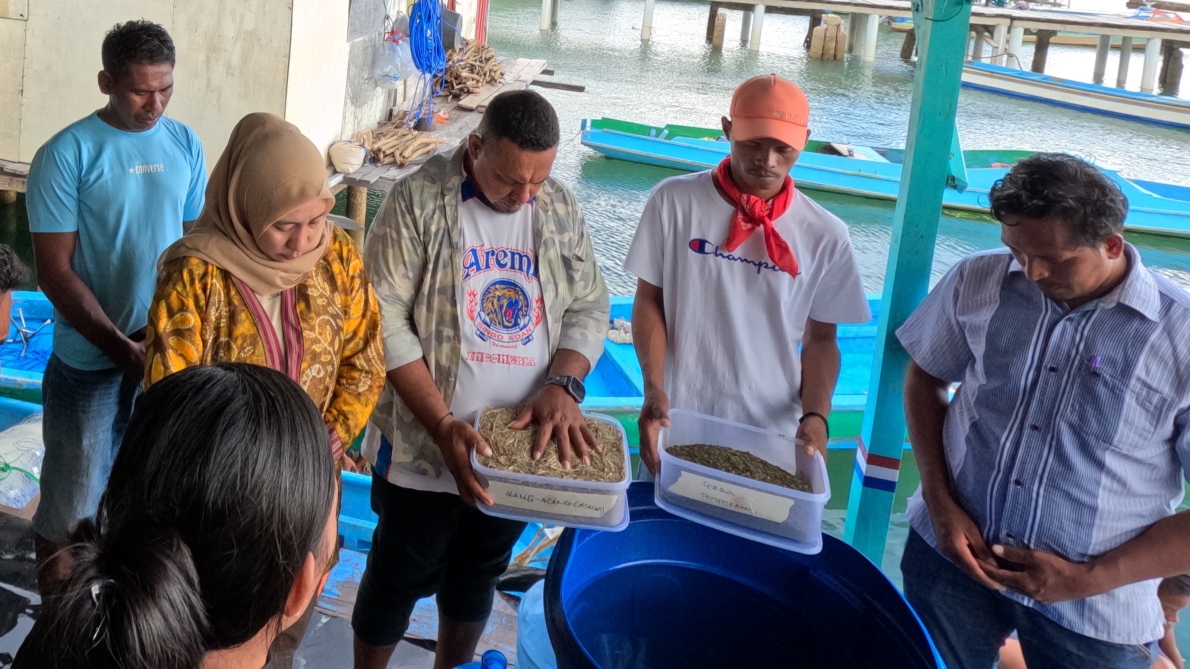
The approach introduced uses natural ingredients: powdered tembelekan leaves and alang-alang grass. The material was presented by a resource person (Ms. Makritan), a farmer mentor in Wakatobi. There, the combination of these two materials has been shown to suppress ice-ice outbreaks and maintain the health of seaweed. These two materials were chosen because they are environmentally friendly, readily available around the village, and have not yet been widely utilized. Tembelekan leaves contain active compounds such as saponins, tannins, alkaloids, and steroids that can inhibit the growth of the bacteria causing “ice-ice” disease (Tolanamy et al., 2017), while alang-alang contains auxins, gibberellins, cytokinins, and arundoins, which can accelerate the growth of seaweed (Hidayat, 2015). Just as in Wakatobi, both of these materials are also readily available near residential areas in MBD, making this finding the basis for using both materials in the method that has been tested in Wakatobi.
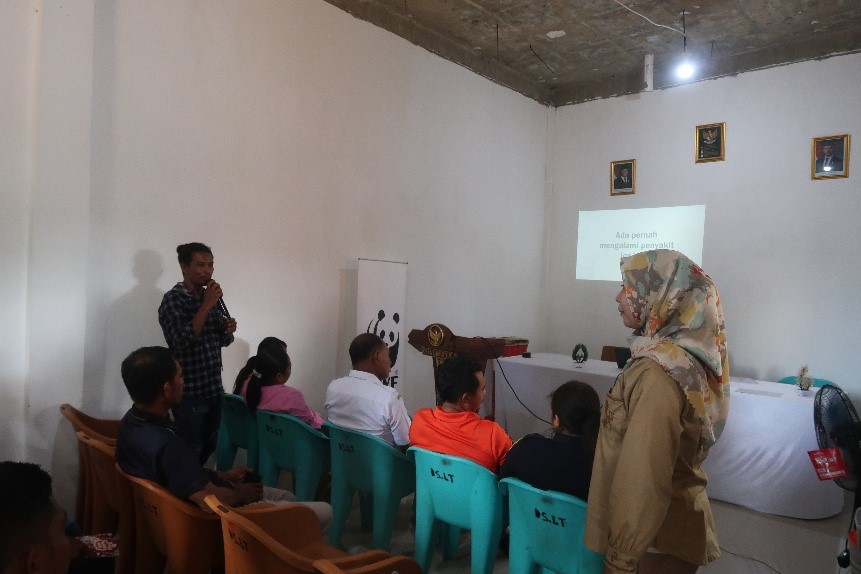
Photo: ©WWF-Indonesia/ Annisa S. Aulia
The discussion and trial process on Luang Island was filled with the community’s curiosity and hope. A total of 17 participants from West Luang Village and 30 participants from East Luang Village were present. Paul J. Wolontery, the head of West Luang Village, stated, “Based on the information presented, we fully understand the material and are ready to follow up on the outcomes of this outreach session. We, as the village government, have high hopes for the outreach program that was presented. Hopefully, what was presented and tested today will be successful, and if it is, we will share it with the community so it can be put into practice.”
.
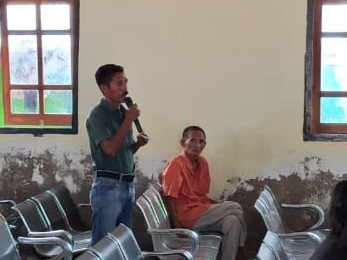
Photo: ©WWF-Indonesia/ Annisa S. Aulia
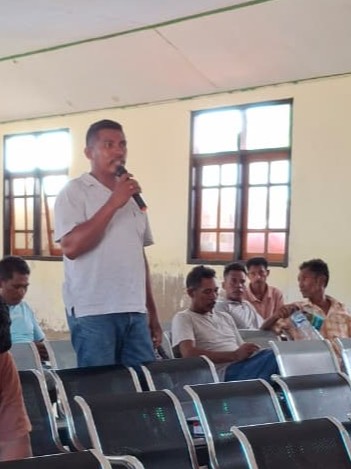
Photo: ©WWF-Indonesia/ Annisa S. Aulia
After the discussion session, participants took part in a hands-on activity to prepare a soaking solution using powdered tembelekan leaves and alang-alang grass. Seaweed seedlings showing symptoms of “ice-ice” were soaked according to procedure, then reattached to the cultivation ropes before being planted in the ocean.
The next stage is monitoring. The treated seedlings are observed every five days to record changes in plant condition, disease incidence, and growth. The results of these observations will serve as the basis for evaluating the effectiveness of the method being tested.
Farmer representative Kevin Miru also expressed his hope for the sustainability of this initiative.
“We are grateful that this activity is taking place today. We would like to express our appreciation to the speakers and WWF-Indonesia for sharing their experience in managing this ‘ice-ice’ issue with us (aquaculturists on Luang Island). We will continue to collaborate and support future activities carried out on Luang Island to promote the well-being and progress of aquaculture farmers on Luang Island. “While what has been discussed is important, I feel that we, as farmers, also need to protect the ocean so that it, in turn, benefits us,” said Mr. Kevin Miru, a farmer representative from Luang Barat Village.
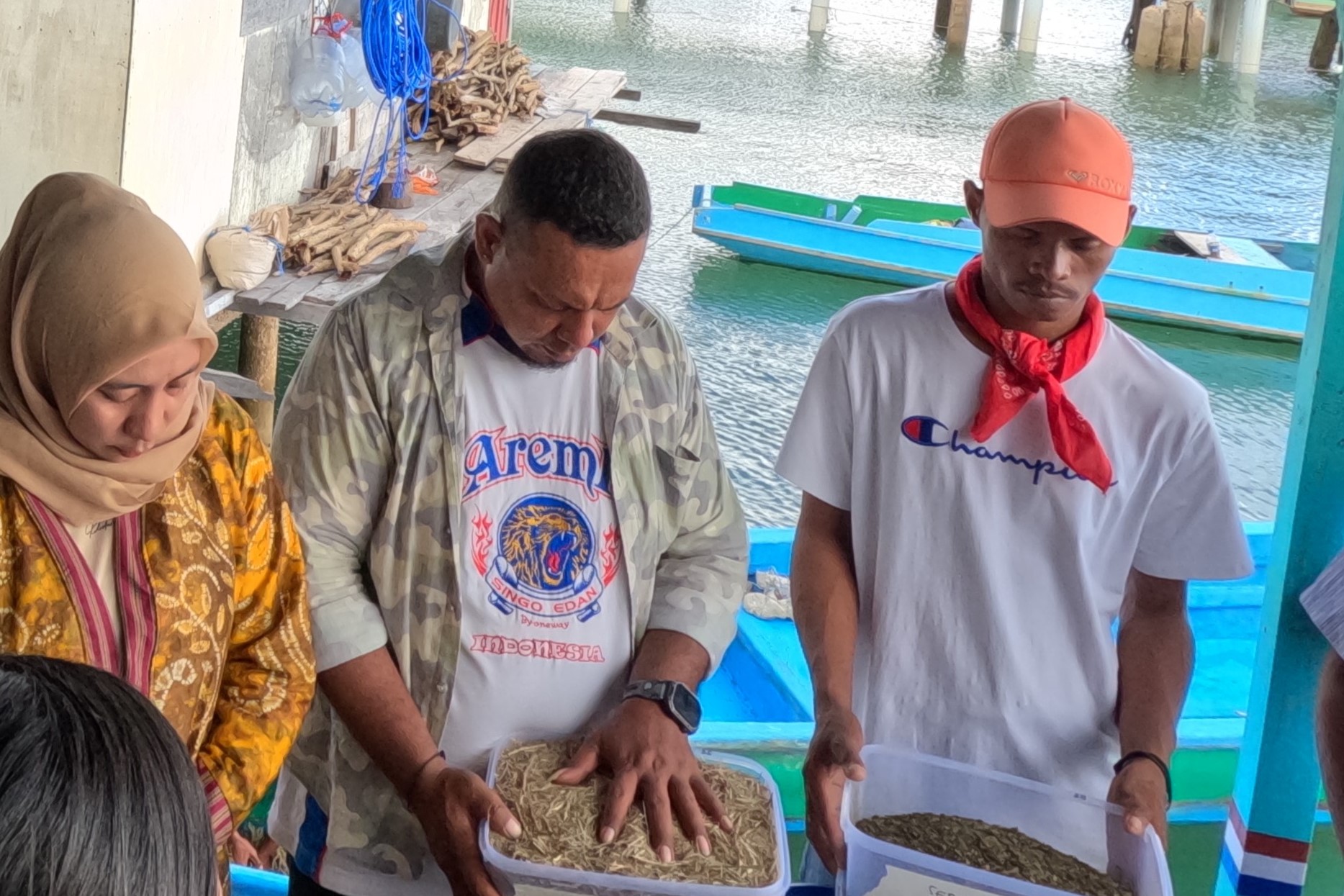
Photo: ©WWF-Indonesia/ Annisa S. Aulia
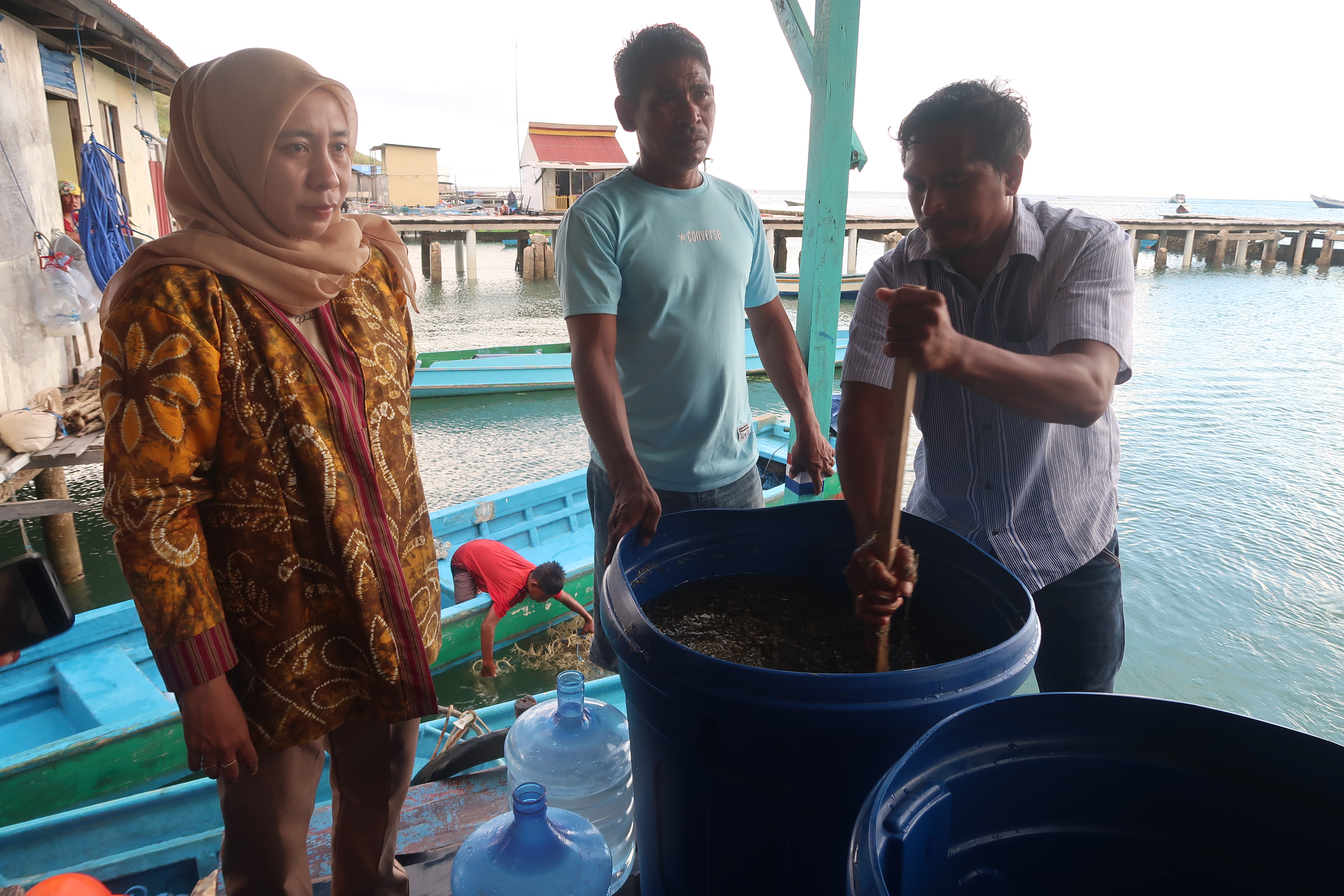
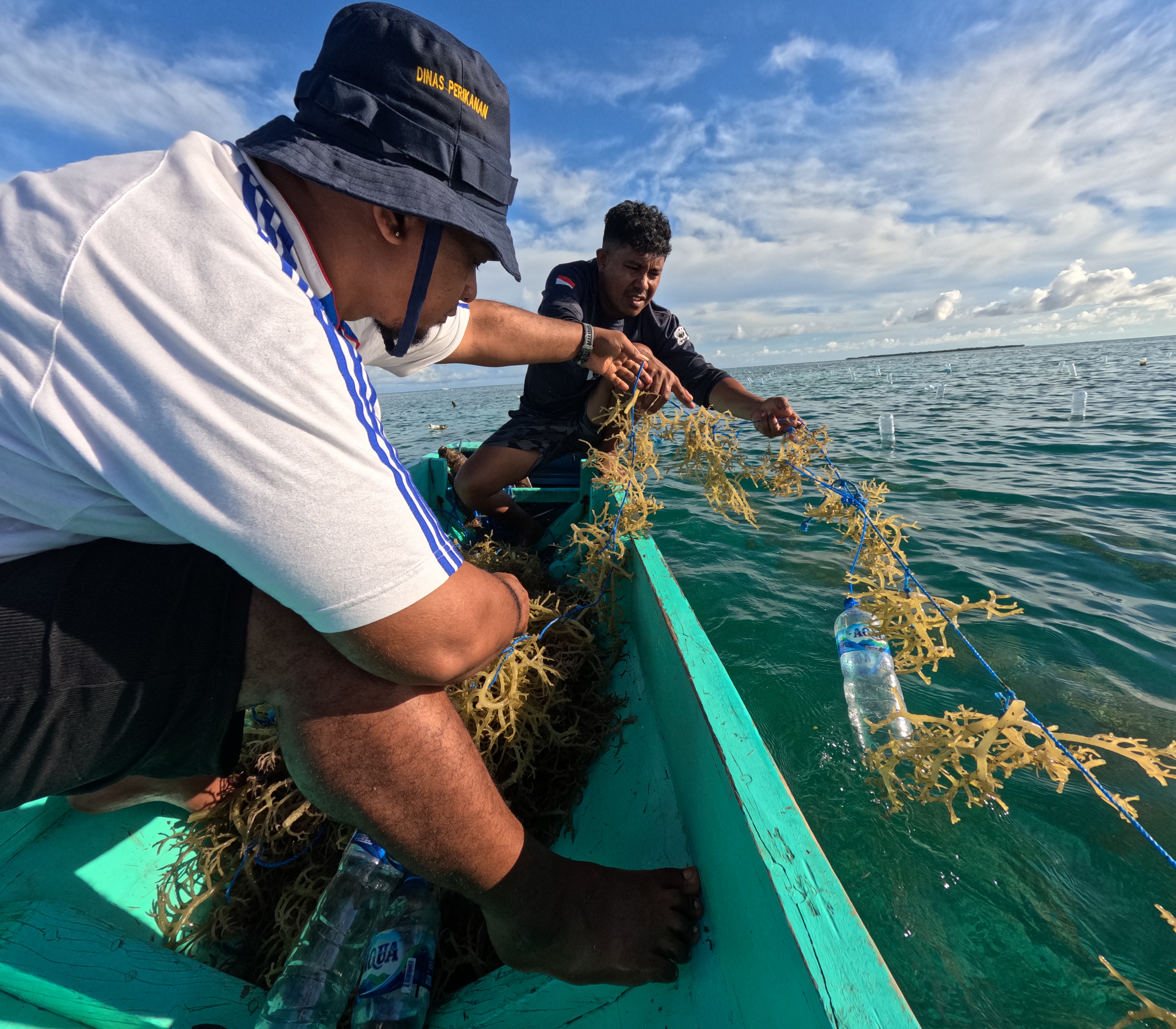
Photo: ©WWF-Indonesia/ Annisa S. Aulia
Monitoring is still ongoing, so the results of the trial cannot yet be concluded. Data from several cultivation cycles will be used to observe how the seedlings respond to the treatment and whether the method applied in Wakatobi can be used under cultivation conditions on Luang Island. These results are expected to serve as a basis for developing solutions to address the “Ice-ice” disease in seaweed cultivation practices.
References:
Hidayat, A. 2015. Growth of Kappaphycus alvarezii Seaweed Whose Seedlings Were Initially Soaked in a Combination of Tembelekan (Lantana camara) Extract and Alang-Alang (Imperata cylindrica) Root Extract and Cultivated Using the Long-Line Method [THESIS]. Faculty of Fisheries and Marine Sciences, Halu Uleo University, Kendari.
Tolanamy, E. S., R. S. Patadjai, and I. Nur. 2017. The Potential of Lantana camara Leaf Extract as a Bacterial Growth Inhibitor in Kappaphycus alvarezii Seaweed. Journal of Fisheries Science and Innovation. 1(1): 9-16. https://doi.org/10.33772/jsipi.v1i1.6590