STRENGTHENING PAPUASIA-AUSTRALIA CONNECTIVITY OF ECOLOGY COLLABORATION THROUGH PACE MEETING AND PUBLIC LECTURE IN PAPUA NUGINI
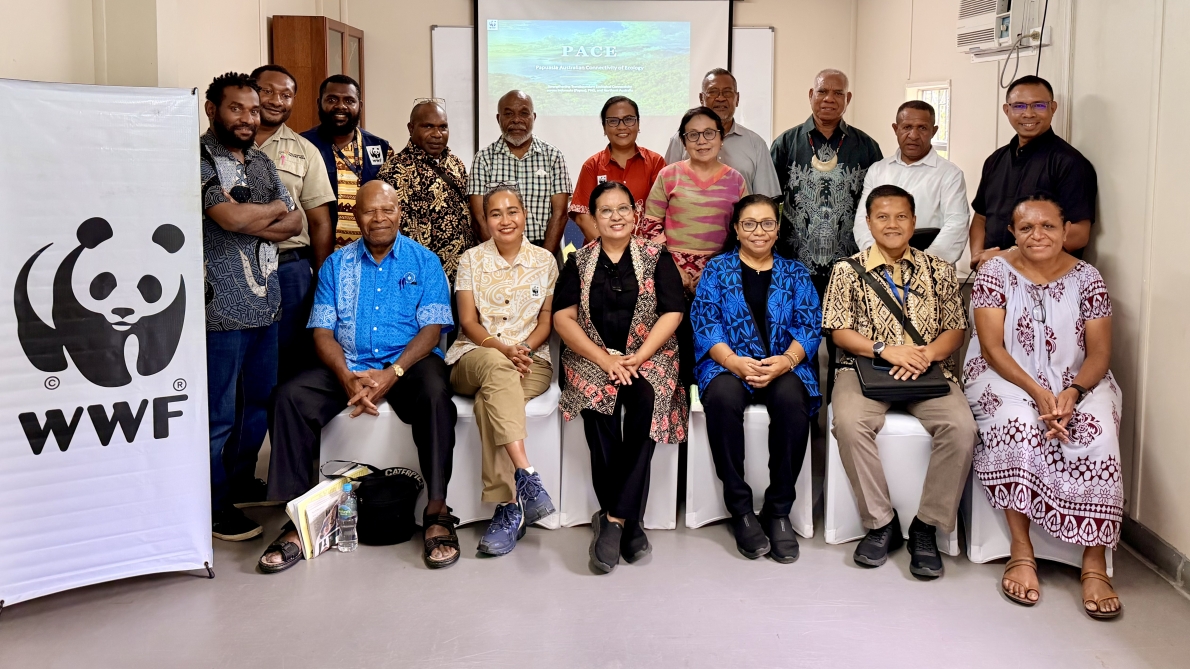
The meeting within the framework of the Papuasia-Australia Connectivity of Ecology (PACE) held on May 15, 2026 in the Nature Park area, Port Moresby, Papua New Guinea, resulted in a joint agreement to strengthen regional collaboration in research development, scientific publications, exchange learning, program implementation, and monitoring and evaluation of cross-country activities in the Papuasia and Australia regions.
The activity was attended by around 20 participants consisting of university representatives, Papua Provincial Government, Pegunungan Bintang Regency Government, WWF, Papua New Guinea Nature Park team, and representatives of the Indonesian Embassy in Port Moresby. The meeting was constructive and emphasized the importance of strengthening science-based collaboration networks and local knowledge in supporting the sustainable management of landscapes and seascapes in the Pacific and Coral Triangle regions.
.
The discussions in the PACE forum highlighted the importance of transboundary ecological connectivity, particularly in supporting biodiversity conservation, migratory species management, strengthening the capacity of indigenous and local communities, and developing collaborative governance based on science and local wisdom.
On the occasion, the participants also discussed the opportunity to develop a Science Hub as a collaboration platform between universities, NGOs, governments, and communities to support the strengthening of strategic research, joint publications, data and knowledge development, and joint learning between regions and countries. Regent of Pegunungan Bintang, Spei Y Bidana, ST, M.Si was present and accompanied throughout the event and gave a presentation on the natural connections between the two countries.
WWF plays an important role in building collaboration and bridging communication between parties to ensure the strengthening of partnerships and the development of Science Hubs can run inclusively, participatory, and sustainable. WWF's support is also expected to strengthen synergies between conservation, higher education, regional development, and public policy agendas in the region.
.
In addition, representatives of the Indonesian Embassy in Port Moresby also expressed support for strengthening this regional cooperation, including opening up opportunities for proposal development and potential funding to support collaborative research relevant to conservation, ecological connectivity, transboundary governance, community capacity building, and sustainable development in the Papuasia and Pacific region.
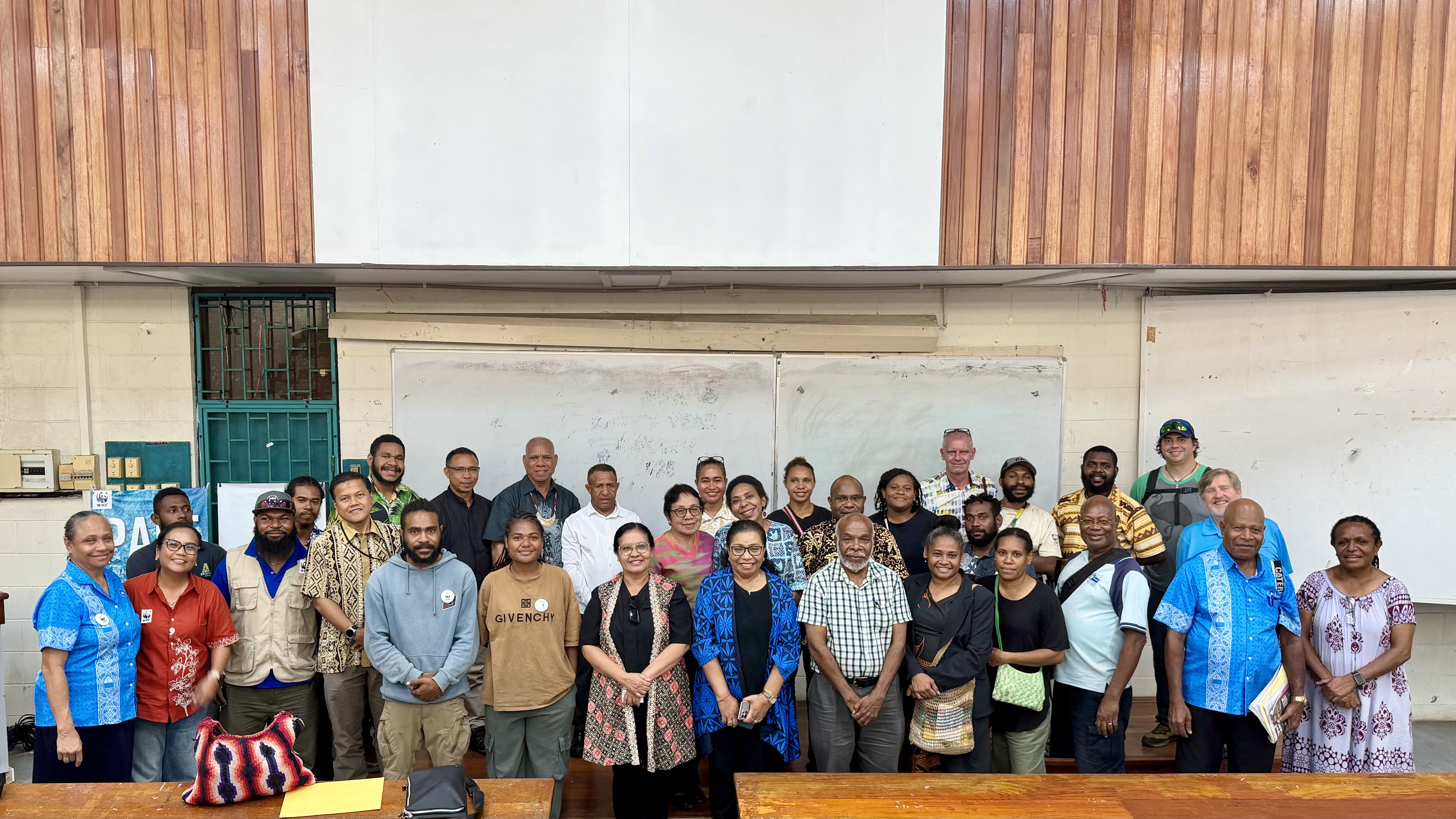
Continuing the PACE meeting agenda, the series of activities continued with the organization of a public lecture at the University of Papua New Guinea (UPNG) Theater Building. The academic session, which was attended by around 60 participants - consisting of students, lecturers, and Nature Park staff - was very interactive and characterized by high enthusiasm in the discussion session. Uniquely, this forum presented three academics from Indonesian universities as guest lecturers, namely the Head of the Center for Indo-Pacific Studies at Cenderawasih University, Dr. Melyana Pugu, S.IP., M.Si.; Dean of the Faculty of Fisheries and Marine Science at the University of Papua, Dr. Ir. Selvi Tebaiy, S.Pi., M.Si.; and Vice Rector II of Okmin University of Papua, Hendrikus Hada, S.S., M.Sos. Also present representing the Papua Provincial Government were Plt. Assistant III of the Papua Provincial Secretariat, Suzana Wanggai, S.Pd., M.Soc.Sc., who accompanied the delegation during the event.
.
The materials presented in the public lecture included transboundary governance, participatory mapping of cultural areas in Pegunungan Bintang Regency, Ecosystem Approach to Fisheries Management (EAFM), and migratory species management in the context of regional ecological connectivity. The discussion also highlighted the importance of the role of indigenous peoples as custodians of ecosystems and holders of traditional knowledge in supporting sustainable management of natural resources.
This activity is part of efforts to strengthen regional collaboration between higher education institutions, governments, NGOs, and communities in supporting the development of science, conservation, and sustainable development in the Papuasia and Pacific region.