
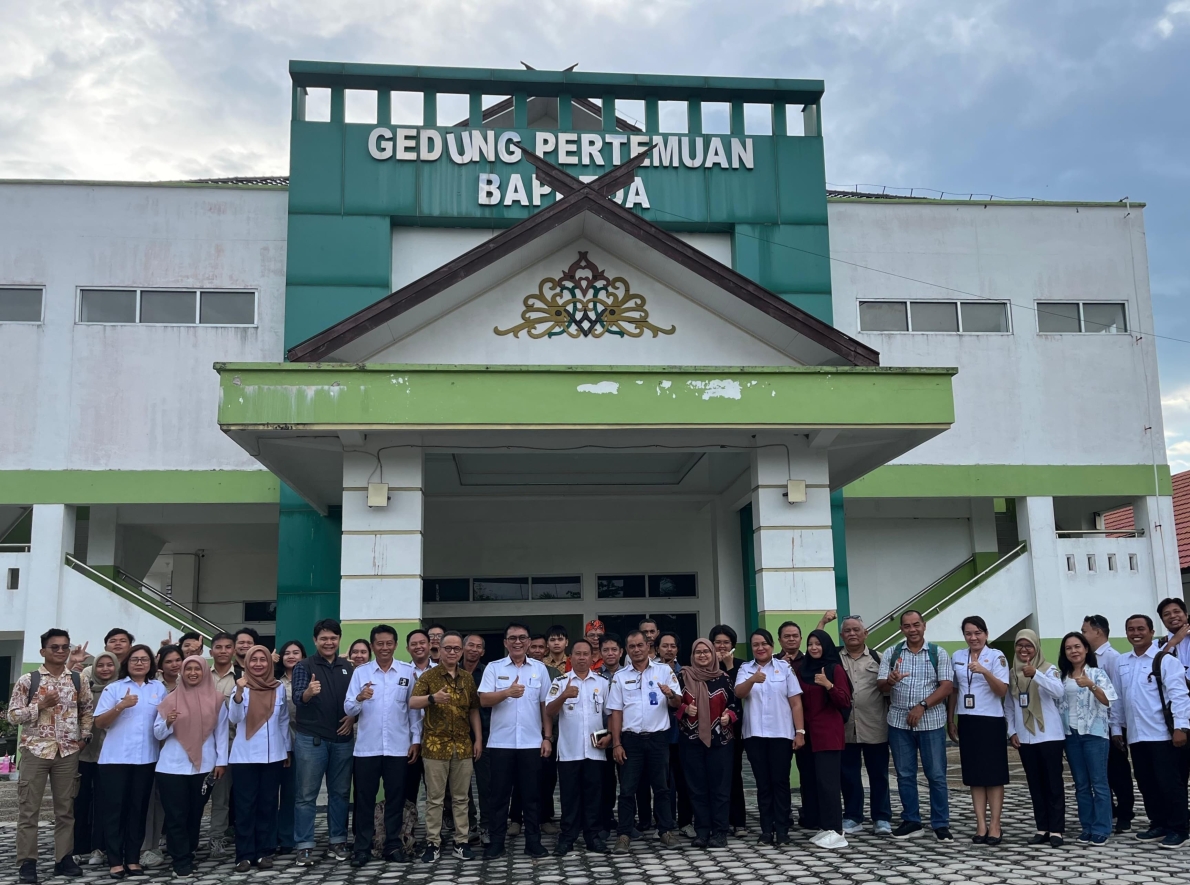
CLIMATE RISK ASSESSMENT: PILLARS OF ADAPTATION FOR KATINGAN'S FUTURE
Climate change is no longer just a global issue, but has become a reality that is felt directly in various regions, including Katingan District, Central Kalimantan. In recent years, changes in seasonal patterns, increasing frequency of crop failures, surging dengue fever cases, and increasingly frequent flooding events have shown how climate change has a real impact on people's lives and environmental conditions.
Some events that have been highlighted are the major floods in Central Kalimantan in 2021 which submerged 13 sub-districts, prompting the establishment of an emergency response status. In addition, the impact of climate and the application of less adaptive cropping systems is also seen in how the decline in productivity of up to 2.5 tons in the process of developing a Food Estate in Belanti Siam Village caused almost 90% of farmers to fail to harvest (Mongabay, 2021)
The results of discussions and field monitoring show that a number of villages, particularly in the Malan and Telaga Island areas, have also felt the impacts of climate change significantly in the last five years. These impacts include:
- Agricultural land has become dry and unproductive.
- Floods now occur up to 2-3 times a year.
- Groundwater quality is declining, making clean water sources increasingly difficult to access.
- Basic infrastructure, such as electrical substations, have not been designed to deal with long periods of inundation.
Out of a total of 154 villages in Katingan Regency, 4 villages are categorized as extremely vulnerable, 40 villages are highly vulnerable, and 83 villages are at a moderate level of vulnerability.
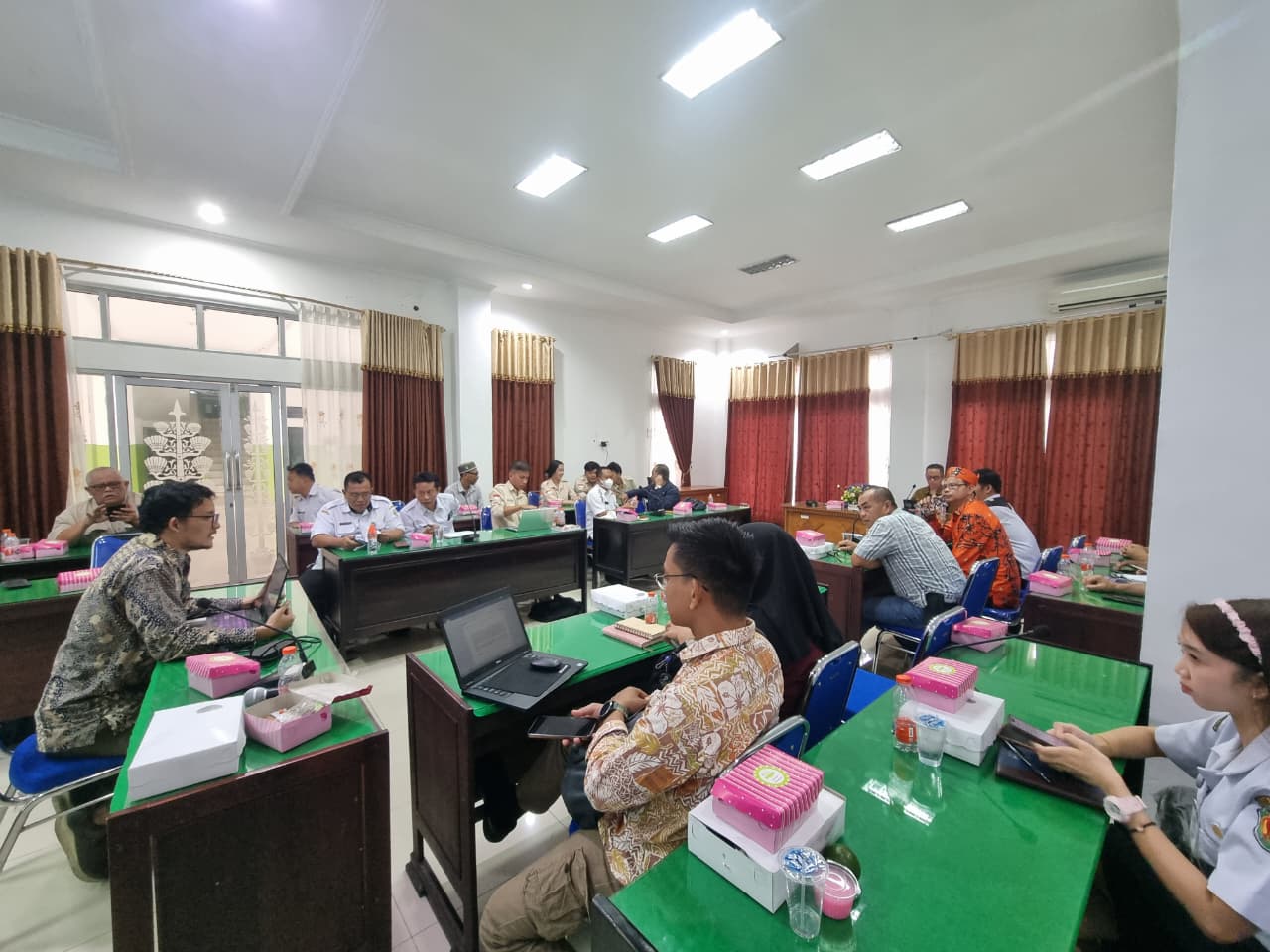
Understand the situation, start the collaboration
In the midst of a limited local budget and with the majority of Katingan's territory covered by forests, Katingan faces a unique challenge: how to protect the environment while improving the welfare of the community. Local potentials such as rattan, kratom, and traditional food crops can be part of the solution as long as they are managed sustainably and adaptive to climate change.
Seeing this condition, the Katingan Regency Government, with the support of WWF-Indonesia and other local stakeholders, began to take concrete steps. One of the main efforts is the preparation of a climate risk assessment that can be used as a basis for assessing the level of vulnerability (and risk) and adaptive capacity that is useful in planning for more resilient regional development in the future.
This study is not just a document, but is expected to be integrated in the regional medium-term development planning document (RPJMD). Andre Agus Natalius, Head of Economy, Natural Resources and Infrastructure of Bappedalitbang Katingan Regency, believes that this study will be one of the important references that serve as the basis for designing development policies and programs, from infrastructure to natural resource management in Katingan Regency.
Cross-sectoral synergies and active community participation will be necessary for the Katingan region to be better prepared for a future affected by climate change. Embracing partners who have been working on conservation, disaster and environmental issues such as academics, NGOs and technical partners can strengthen implementation on the ground which is expected to encourage the existence of effective adaptation actions in each region.