FROM CO-DESIGN TO TRAINING OF TRAINERS: OUR JOURNEY TO BECOMING YOUTH CHAMPIONS, WITH STUDENTS LEADING THE WAY TOWARD A PLASTIC-FREE CAMPUS
Have you ever noticed how much plastic you use in a day on campus? Water bottles, food packaging, and even shopping bags. It all seems trivial—until we sat down with students from various campuses and started discussing it.
That’s how our story began at Youth Plastic Advocate, a collaborative program between WWF and YPBB supported by Accenture. Through education on the impact of plastic waste and ways to reduce it, this program encourages students to become agents of change on campuses in the Bandung and Greater Jakarta (Jabodetabek) areas. We learn, raise awareness, and take concrete steps to reduce plastic waste on campus.
Co-Design Workshop: Every Campus Faces Different Challenges
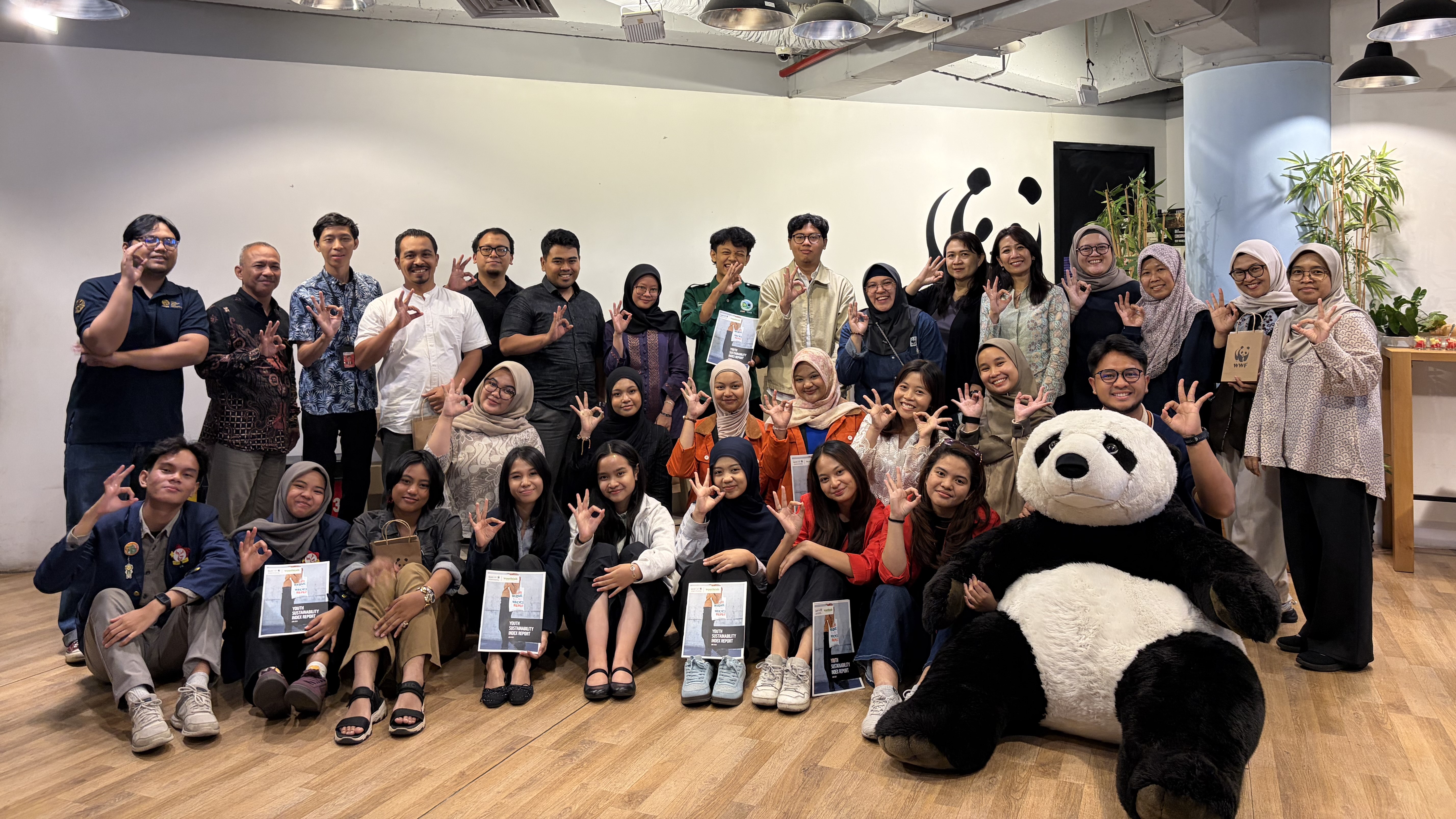
One of our most memorable experiences was participating in the co-design workshop at Panda Hub by WWF Indonesia in Jakarta on September 17, 2026. This event provided a space for us not only to discuss waste issues in general but also to explore the specific conditions and challenges faced at each campus. Throughout the process, we shared experiences regarding various issues, challenges, and opportunities within our campus environments.
This exchange of experiences opened up new perspectives, including how we view our own campus, UNPAR. We realized that even though we face similar issues, each campus has its own unique conditions and challenges. For example, drinking water refill stations—which we’ve long taken for granted—may not necessarily be available elsewhere. From this, we learned that reducing plastic waste requires a contextual approach tailored to the conditions of each campus.
On the other hand, the discussions during the workshop also made us realize that the availability of facilities does not solve the entire waste problem. Waste management is indeed an important part of environmental conservation efforts, but we also need to start asking “what can be done to prevent waste from accumulating in the first place?”. It was this question that led us to view the waste issue not merely as a matter of how to manage waste, but also as a matter of how we can reduce and prevent it from the very beginning.
Training of Trainers: Two Days of In-Depth Learning at Hutanika
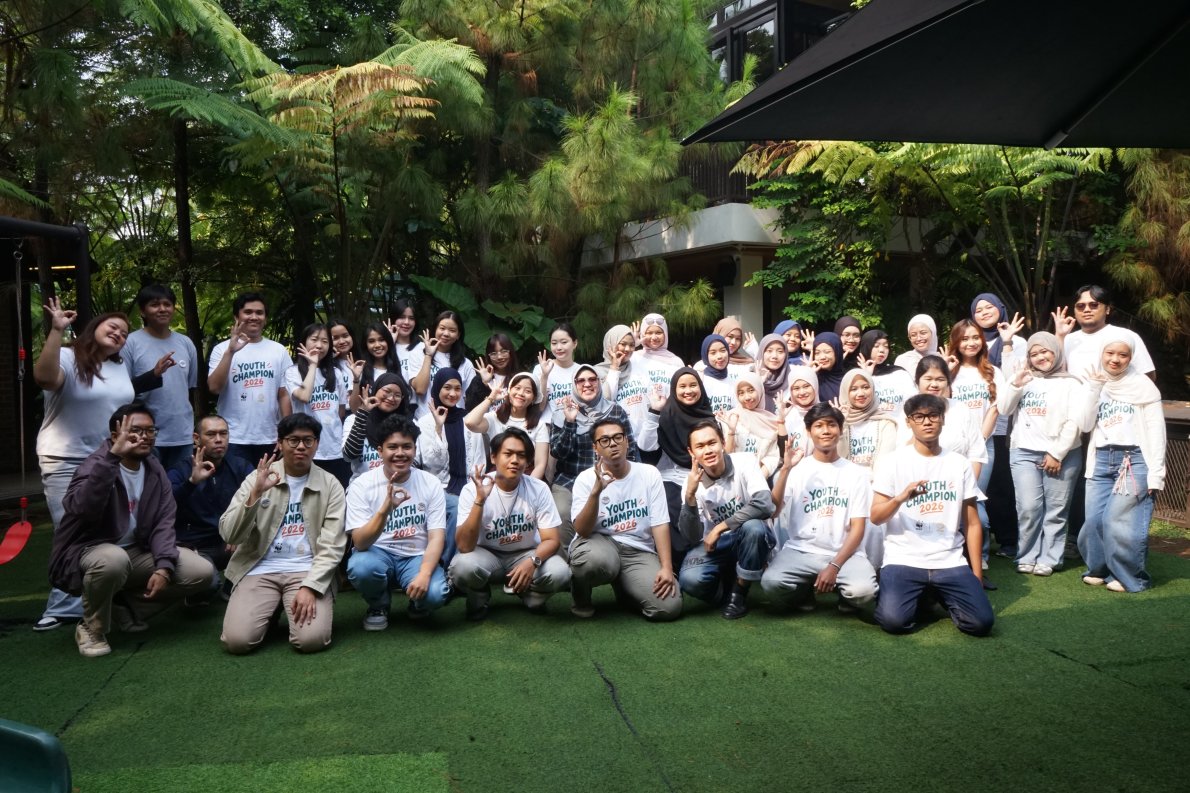
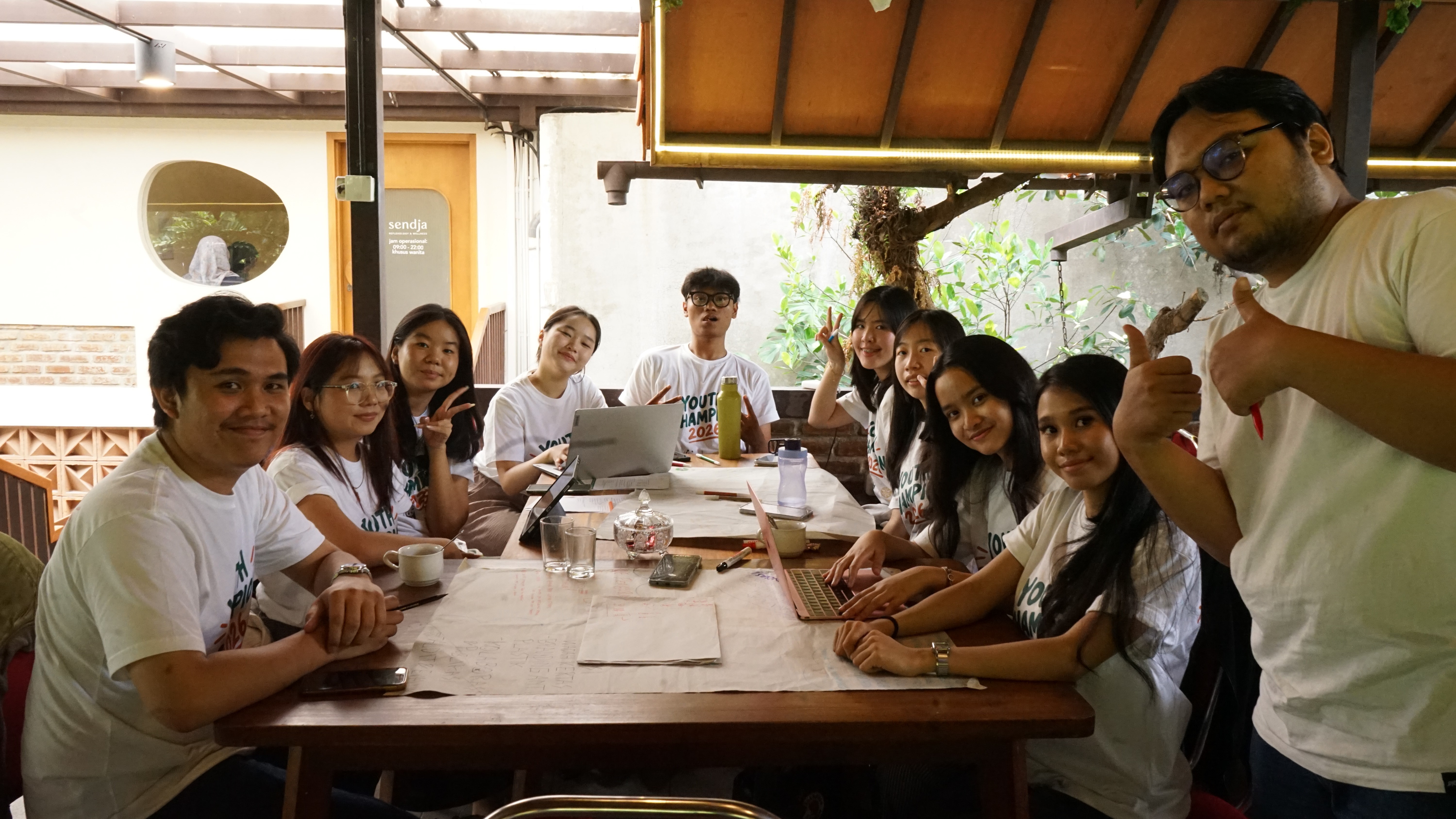
We began to find answers to that question at the Training of Trainers (ToT) held at Hutanika in Bandung on September 26–27, 2026. Unlike previous workshops, this ToT was specifically designed for Youth Champions—the mentors for the Youth Plastic Advocates at each campus.
The first day was dedicated to learning. We delved into the science of waste management, starting with identifying different types of waste, sorting it, and processing it. We also came to understand that the most effective approach is to reduce waste at its source. It turns out that the issue of waste has a scientific foundation that needs to be understood—it’s not just a matter of disposing of it properly.
The second day was dedicated to leadership training. Through focus group discussions (FGDs), we honed our leadership skills as mentors in managing a waste management program on campus. We practiced presenting ideas, listening, assigning roles, and finding solutions together. This activity taught us that a good mentor must be able to bring people together and foster a sense of ownership among team members.
Amid the packed schedule, the atmosphere wasn’t always serious. The organizers prepared icebreakers to lighten the mood and help participants from various campuses quickly get to know one another, along with group exercises to relieve stress. Laughter and movement amidst the serene forest setting provided a refreshing break while strengthening the bond among the prospective mentors.
Big Changes Always Start with One Small, Consistent Step
It is at this point that we begin to see that each individual’s awareness plays an equally important role. The available facilities will have a greater impact when the people using them understand both how to use them and the reasons behind their existence.
Ultimately, change doesn’t always have to start with a big step. Simple everyday actions—such as bringing your own water bottle, reducing the use of single-use products, or making wiser choices about what we consume—are also part of the effort to reduce waste.
Armed with the knowledge and leadership skills gained from the ToT, the Youth Champions are now ready to support students on their respective campuses so that this movement doesn’t end in the training room.